
Nexora
Distribution Fiber Optic Cable
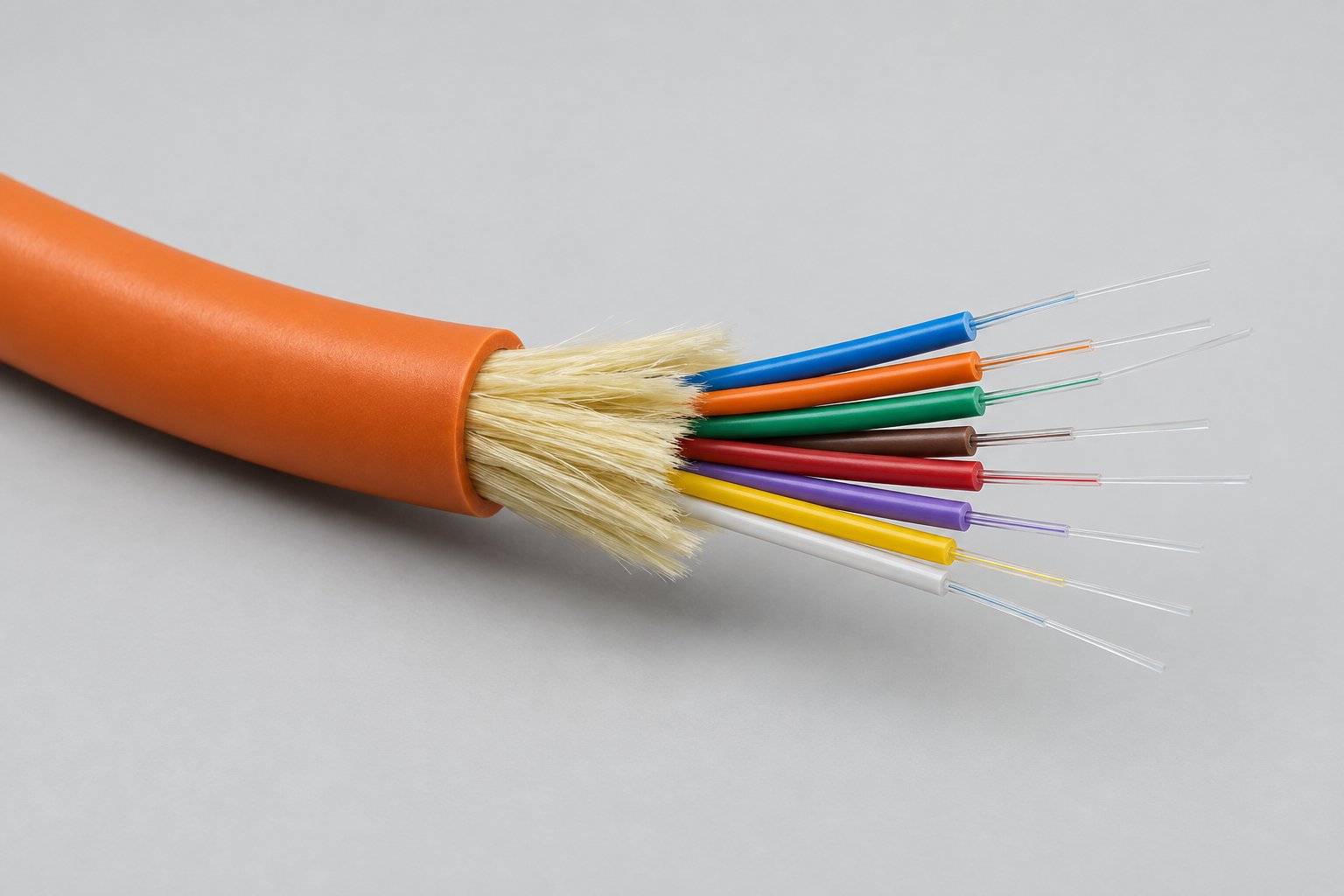
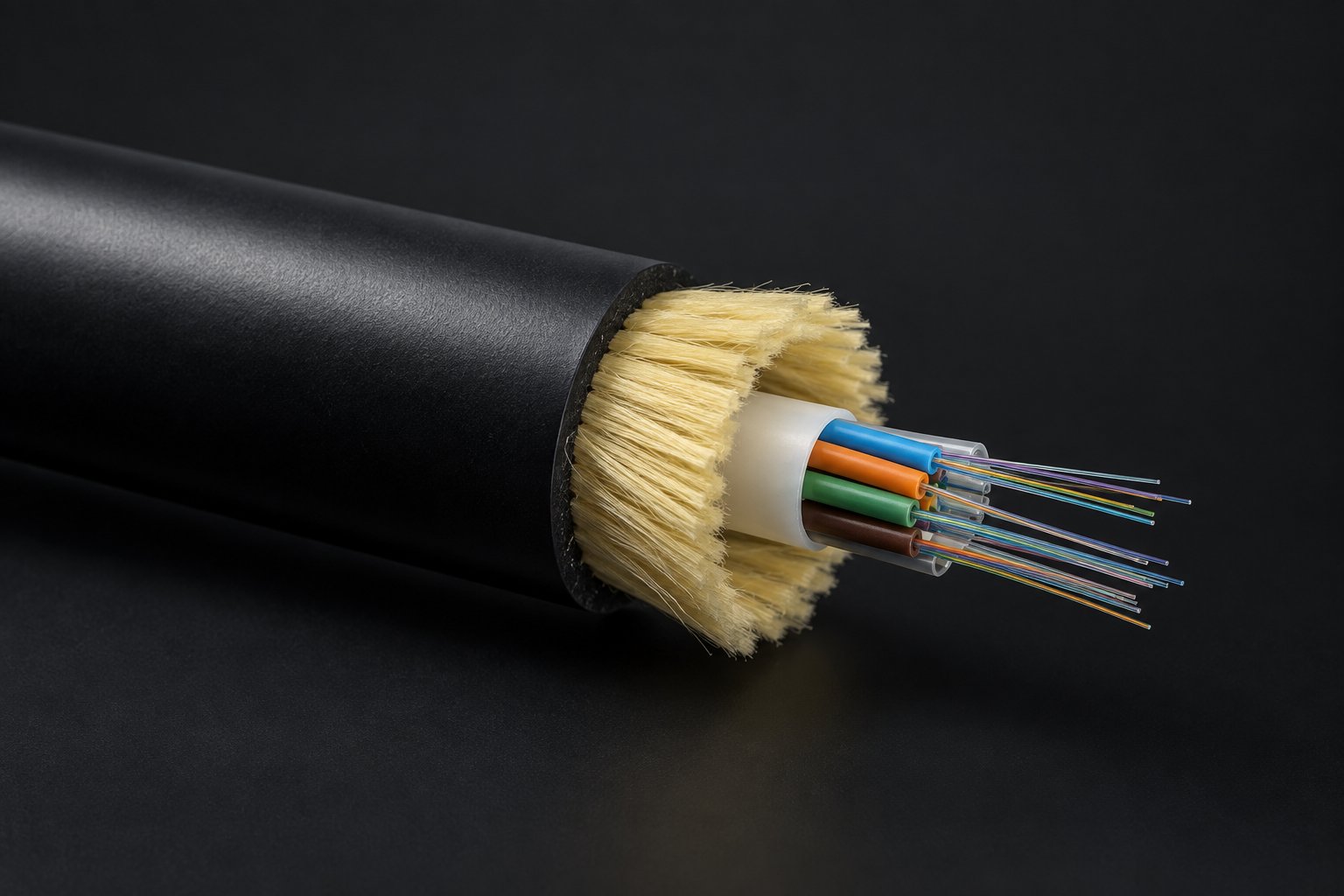
Indoor distribution fiber optic cable for flexible multi-core routing and easy branching inside buildings and data centers.
G.652D or OM3/OM4 (option)
Product Notes
- Flexible multi-core design
- Easy branching
- Tight-buffered or loose-tube option
- LSZH jacket
Specifications
Fiber type, connector, test data, packaging proof and sample-kit notes are kept in the same quote sheet.
| Fiber type | G.652D or OM3/OM4 (option) |
|---|---|
| Fiber count | 2-48 cores |
| Buffer | Tight-buffered or loose-tube |
| Jacket | LSZH |
| Application | Building distribution, patch panels, ODF |
Application Notes
Why a distribution fiber optic cable is the practical choice for indoor multi-core routing
When you are running fiber inside a building, a riser, or a data center, the cable has to do more than carry light. It has to be easy to pull through tight paths, easy to branch at patch panels and ODFs, and safe to run in occupied spaces. A distribution fiber optic cable is built for exactly that job: it brings multiple cores together in one compact, flexible assembly so you can route a whole bundle to one area and then break it out where each fiber is needed.
This page explains what this indoor distribution cable offers, how to choose between the available fiber and buffer options, and what to confirm before you order.
What this distribution cable is designed for
This indoor distribution fiber optic cable is a multi-core assembly for building distribution, patch panels, and optical distribution frames (ODF). It is intended for indoor, riser, and data center installation, where the priority is flexible routing and easy branching rather than outdoor weather protection.
- Fiber type: G.652D single mode, or OM3/OM4 multimode as an option
- Fiber count: 2 to 48 cores
- Buffer: tight-buffered or loose-tube, depending on the routing and termination method
- Jacket: LSZH (low smoke, zero halogen)
- Installation: indoor, riser, data center
- Application: building distribution, patch panels, ODF
How to choose the right configuration
Single mode or multimode fiber
Choose G.652D single mode when the link is long, the network is carrier-grade, or you want to keep the same fiber type across the building backbone. Choose OM3 or OM4 multimode when the runs are short and you are connecting high-speed equipment inside a data center, where multimode transceivers are often more cost-effective.
Tight-buffered or loose-tube buffer
For an indoor distribution cable that will be terminated directly at patch panels and ODFs, tight-buffered construction is the usual choice: each fiber has its own protective buffer and can be handled individually, which keeps termination fast and clean. Loose-tube construction is more common for outdoor or long-distance, high-core-count runs where the fibers are housed in tubes and typically spliced rather than directly terminated. Confirm which termination method your installer will use before you select the buffer type, because it affects both the cable cost and the on-site work.
Fiber count and jacket
Pick a fiber count that covers your current ports plus room to grow, because re-pulling a cable later is expensive. The LSZH jacket is suited to occupied indoor spaces and risers where low smoke and zero halogen behavior matters in a fire.
Installation and maintenance notes
Keep the cable within its rated bend radius during pulling and after installation, and avoid sharp edges that could pinch the jacket. At patch panels and ODFs, leave enough slack for re-termination and label each fiber clearly so future maintenance is straightforward. Clean and protect connector end faces with dust caps when they are not in use.
Quality control and manufacturing
Nexora manufactures this distribution cable in a 16,000 m² facility with 12 production lines and more than 30 QC stations. Every cable passes incoming material inspection, in-process checks, and final inspection before shipment, so the fiber count, buffer type, and jacket you order match what is delivered.
Procurement FAQ
Can I order a custom fiber count?
Yes. The cable is available from 2 to 48 cores. Tell us the exact core count and the fiber type you need, and we will confirm the configuration before production.
What is the difference between tight-buffered and loose-tube?
Tight-buffered cable has a protective buffer directly around each fiber, which makes direct termination at panels and ODFs easier. Loose-tube construction houses fibers in tubes and is more common when splicing is planned. Choose based on how your installer will terminate the cable.
Is the jacket suitable for indoor use?
Yes. The LSZH jacket is designed for indoor, riser, and data center environments where low smoke and zero halogen behavior is preferred.
Can I get a sample before a bulk order?
Yes. We support sample requests so you can verify the cable construction and termination before committing to a larger order.
Request distribution cable details
Tell us your fiber count, fiber type, buffer preference, and required length so we can confirm the right configuration and lead time for your project.
Request product detailsTags
Related Fiber Products
Get A Quote
Send fiber type, connector, quantity, application and packaging requirement. The response can include test data and sample-kit notes.