
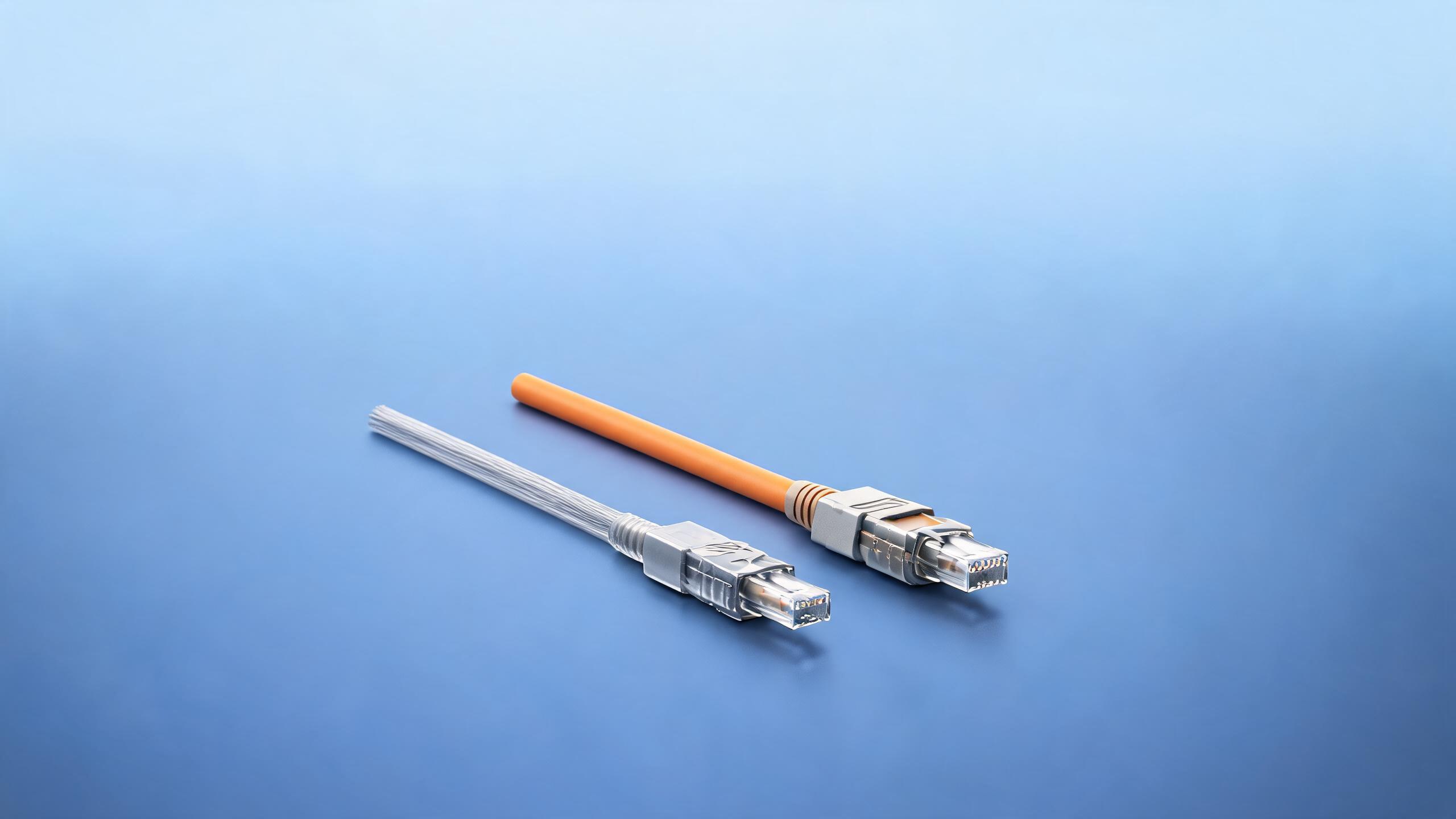
Un confronto pratico tra fibra monomodale e multimodale per gli acquirenti, che copre distanza, velocità di trasmissione, compatibilità del transceiver, costo e percorso di aggiornamento.
What is the difference between single mode and multimode fiber?
Single mode fiber carries light along a narrow core, which keeps the signal strong over long distances and supports high bandwidth. Multimode fiber uses a larger core that carries multiple light paths, which is practical for shorter runs at high data rates. The choice affects distance, transceiver cost and the future upgrade path of your network, so it is worth understanding the difference before you place an order.
For a buyer sourcing fiber optic cable, the decision is not about which type is better in general. It is about which type matches the links you are building. A network that connects buildings across a campus or a city needs different fiber than a data center where racks sit a few meters apart. This article walks through the factors that matter most to procurement and engineering teams, and gives you a checklist you can use when you compare quotations.
How does core size affect distance and data rate?
The core of single mode fiber is roughly 9 microns in diameter, while the core of multimode fiber is typically 50 or 62.5 microns. Because single mode fiber guides a single light path, it suffers less modal dispersion and can carry a signal over much longer distances before the signal needs regeneration. Multimode fiber, with its larger core, carries multiple light paths that arrive at slightly different times, which limits the practical distance at high data rates.
In practice, single mode fiber such as G.652D is the usual choice for backbone, metro and long-haul links where distance matters most. Multimode fiber such as OM3 is common inside buildings and data centers where links are short but data rates are high. If you are not sure which applies to your project, measure the longest link distance first, because exceeding the practical range of multimode fiber forces an upgrade to single mode later.
Which fiber type matches your transceiver?
Single mode and multimode fiber use different transceivers, and the optics in your equipment determine which fiber you can use. Single mode transceivers use a narrow laser source and are designed for long-distance links. Multimode transceivers use a broader light source and are designed for short, high-rate links. If you already own equipment, check the transceiver specification before you choose the fiber, because mixing incompatible types causes avoidable loss and rework.
You should also confirm the connector polish, for example UPC or APC, matches the ports you are connecting. The polish affects return loss and must be consistent across the link. A buyer who confirms the fiber type, transceiver and connector polish together avoids the most common ordering mistakes.
What does single mode vs multimode cost?
Multimode fiber and its transceivers are often lower cost for short links, which is why it is common inside data centers and enterprise buildings. Single mode fiber supports longer distances and a clearer upgrade path, but the fiber and the optics can cost more for short runs where multimode would work. Compare the total cost of fiber, connectors and optics for your actual distance rather than comparing cable price alone.
For a project that may grow, single mode fiber is often the safer long-term choice because it can carry higher data rates over longer distances as your network evolves. If the link is short and unlikely to change, multimode fiber can deliver the performance you need at a lower initial cost. The right answer depends on your distance budget and growth plan.
How to decide between single mode and multimode fiber
- Measure the longest link distance in your network.
- Confirm the data rate and transceiver type you will use.
- Choose single mode for long or future-proof links.
- Choose multimode for short, high-rate runs inside buildings.
- Confirm the connector type and polish with your supplier.
- Compare total cost including fiber, connectors and optics.
Once you have these details, you can compare quotations on an equal basis. A supplier that asks for your distance, data rate and transceiver type before quoting is more likely to recommend the right fiber optic cable for your project.
Common questions buyers ask about fiber type
Can I use single mode and multimode fiber in the same network?
You can, but each link must use the fiber type that matches its transceiver. A network can mix single mode backbone links and multimode data center links, as long as each segment is built consistently. Confirm the transceiver and connector polish for every link before ordering.
Is single mode fiber always better?
No. Single mode fiber is better for long distances and future-proofing, but multimode fiber is often more cost-effective for short, high-rate links inside a building or data center. The best choice depends on your distance and growth plan.
Does connector polish matter for single mode and multimode?
Yes. The polish affects return loss and must match the ports you are connecting. Confirm whether your equipment uses UPC or APC polish before you order patch cords and adapters.
Next step for your fiber optic cable order
If you are comparing options for a specific project, share the distance, data rate and equipment details with our team. We can help confirm a suitable fiber type and provide a quotation that matches your network requirements.