Nexora
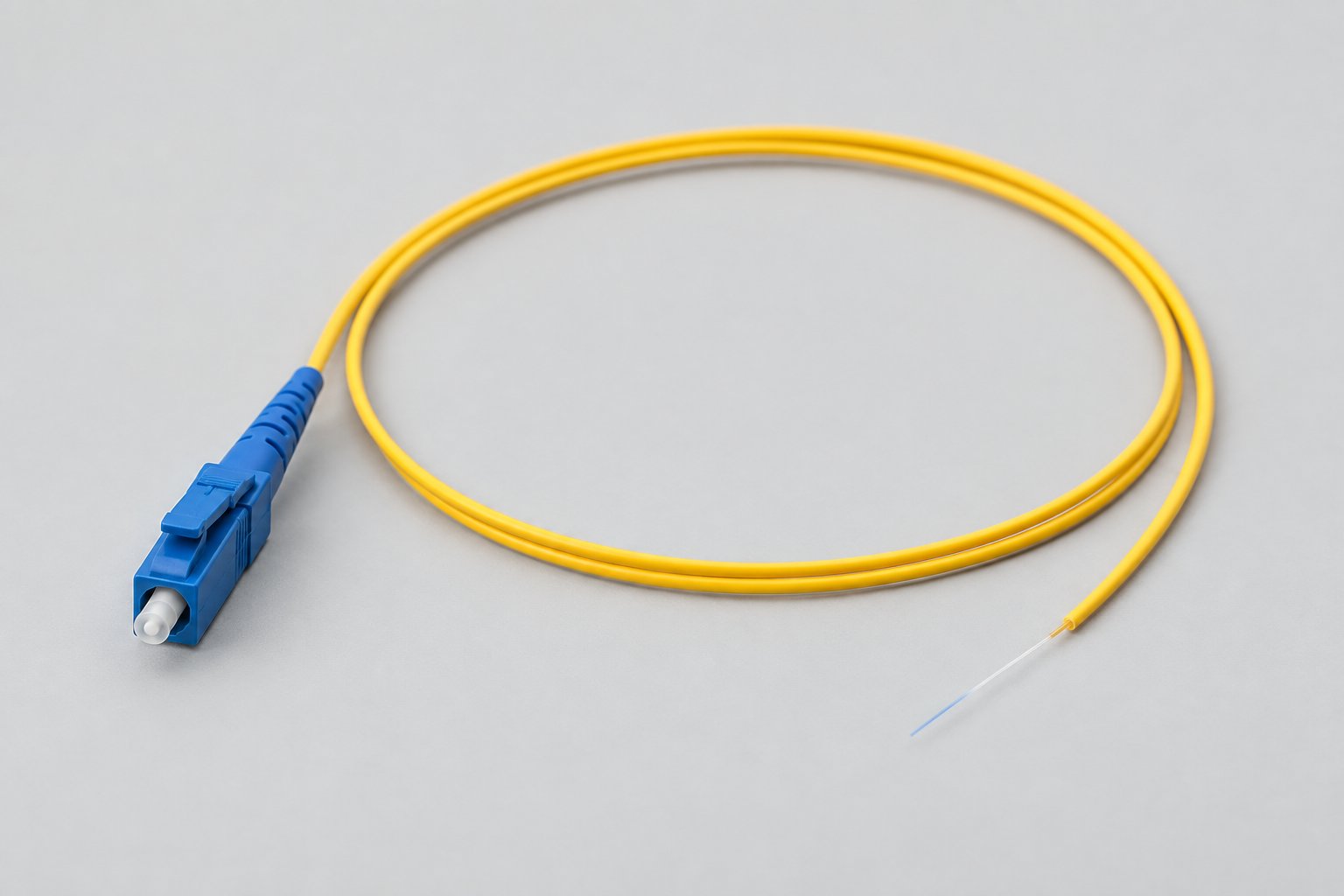
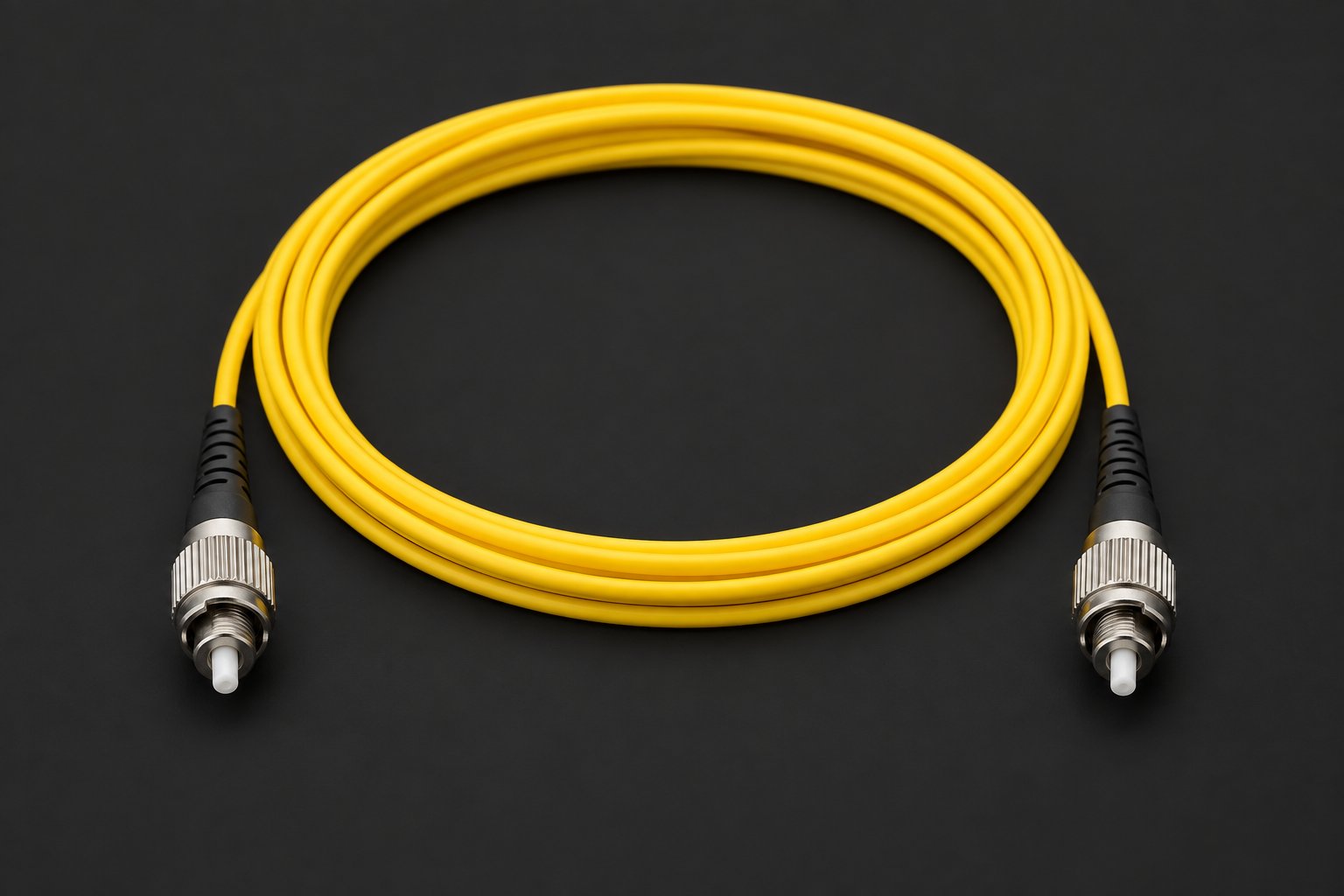
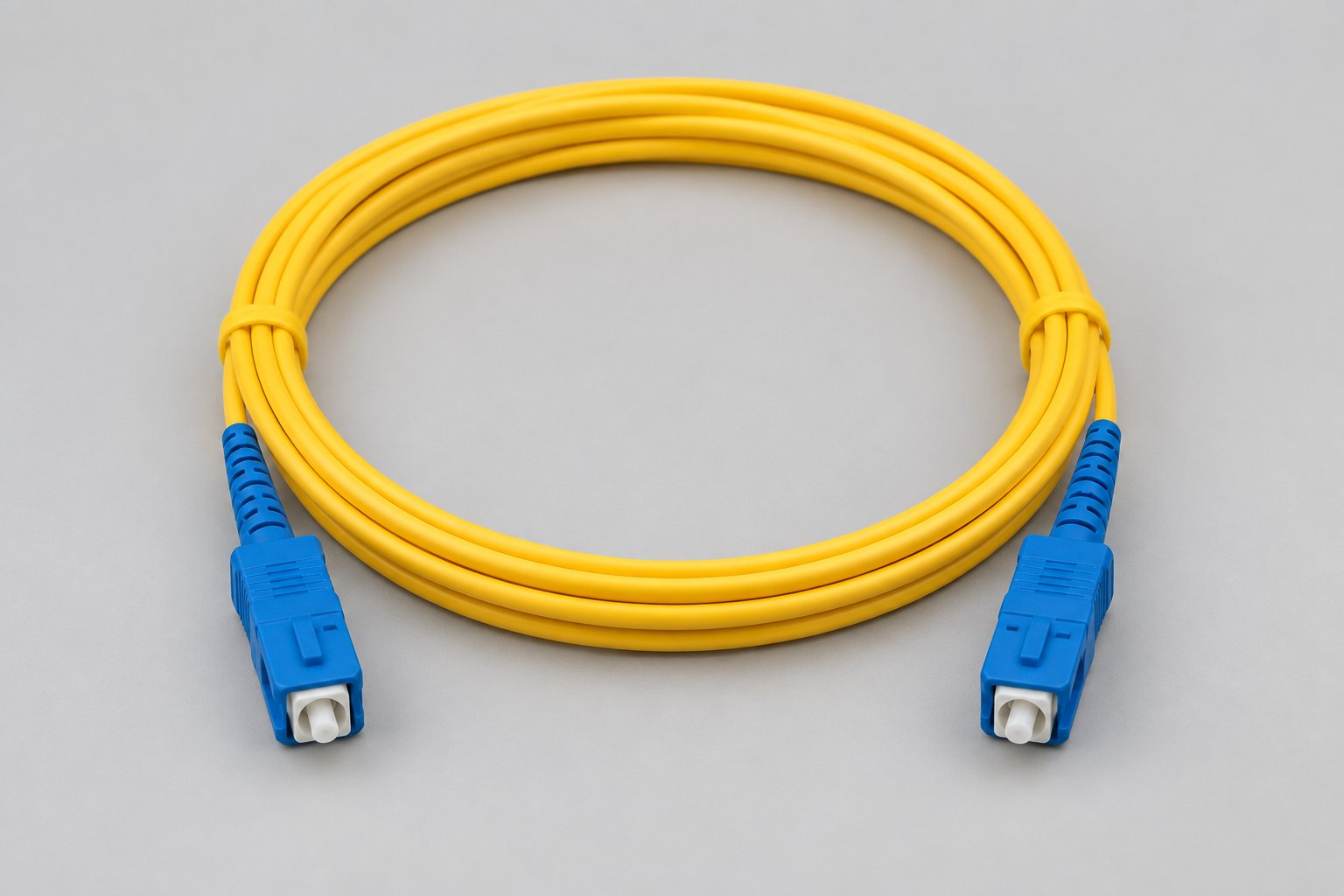
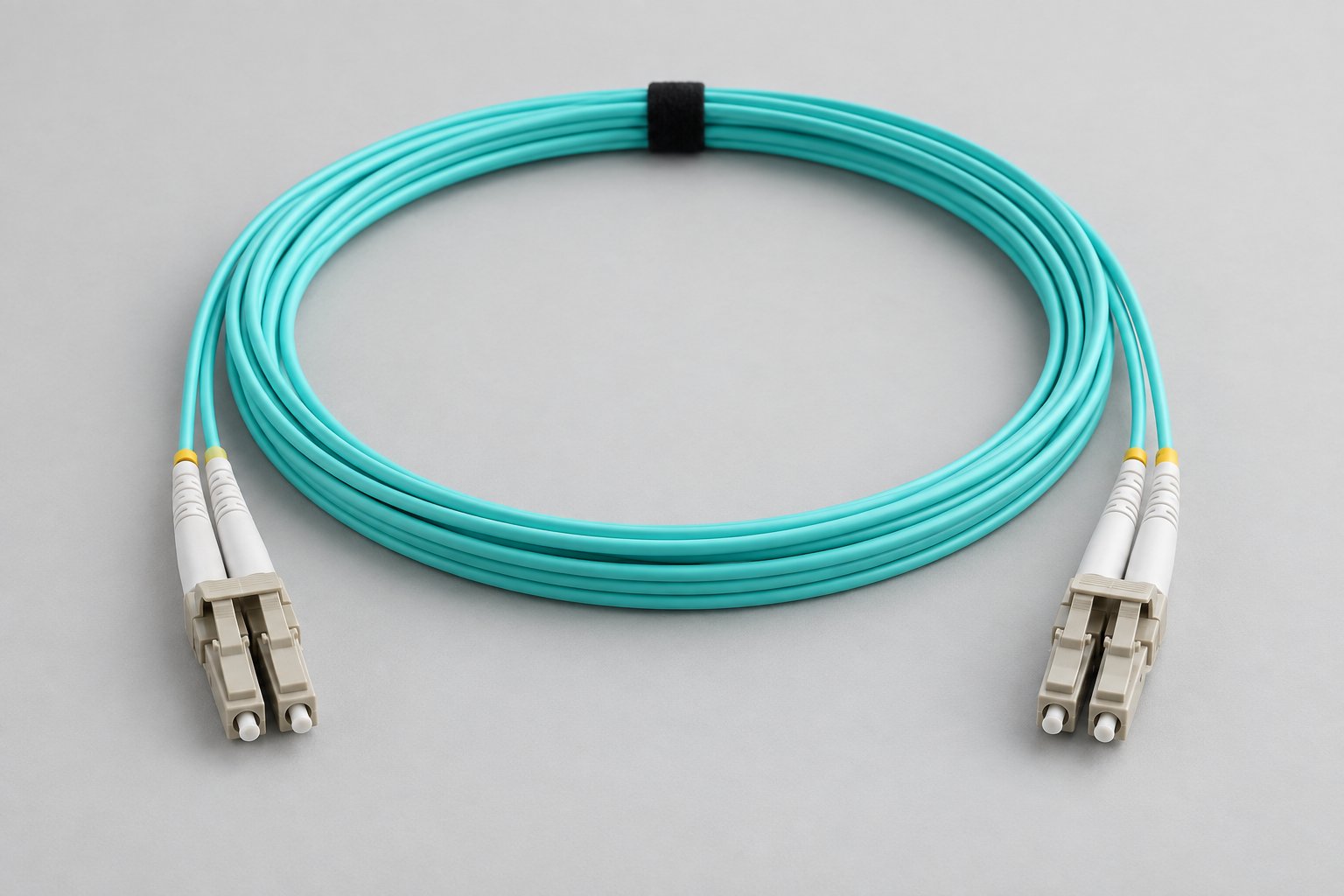
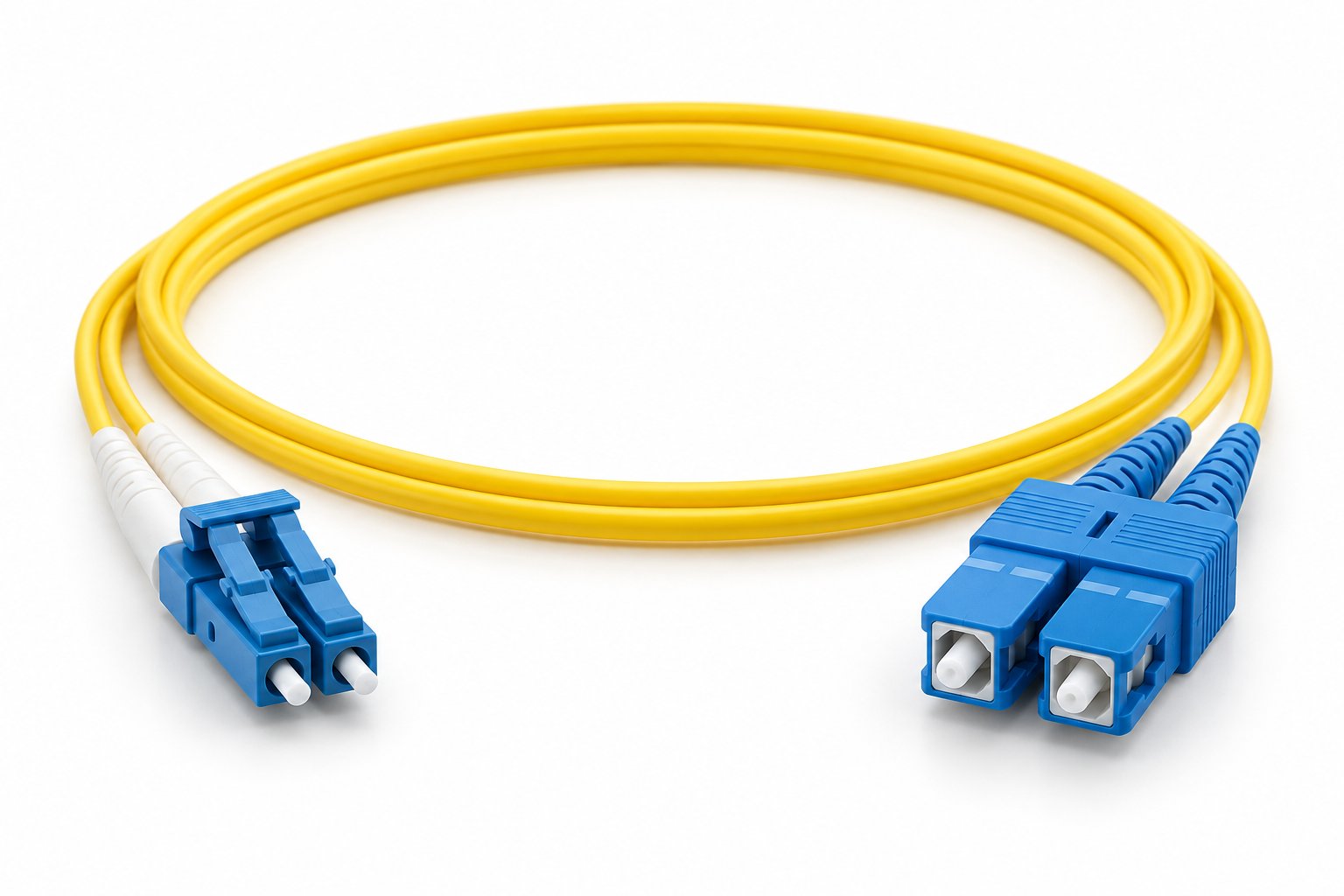
LC-SC Hybrid Patch Cord
LC to SC hybrid patch cord for connecting devices with different connector types, with low insertion loss.
LC-SC (hybrid)
Key Features
- LC and SC connectors
- Cross-device connection
- Single mode fiber
- Low insertion loss
Specifications
| Connector type | LC-SC (hybrid) |
|---|---|
| Fiber type | Single mode G.652D |
| Type | Simplex or duplex |
| Jacket | LSZH or PVC |
| Length | Custom |
| Application | Cross-device connections, patch panels, LAN |
Product Details
Why a hybrid LC-SC patch cord is the practical fix for mixed connector racks
Most network rooms end up with two connector standards in the same rack: LC on high-density switches and patch panels, SC on older routers, media converters and some access equipment. When a link has to cross from one to the other, the common workaround is to add a coupler or an adapter plate and then join two separate patch cords. Every extra connection point adds insertion loss, another surface that can collect dust, and one more part to stock and trace. An LC-SC hybrid patch cord removes that middle step by putting both connector types on a single cable, so the link runs from device to device with one continuous fiber path.
This page is written for network engineers, integrators and procurement teams who need to connect LC-terminated equipment to SC-terminated equipment without adding adapters, and who want to know how to choose the right hybrid patch cord, what to check before ordering, and what the supplier should confirm.
The problem: mixed connector types force extra joins and extra stock
When a project mixes LC and SC interfaces, the installer usually has to keep two cord types plus a set of couplers on hand. That means more SKUs to manage, more chances to grab the wrong part on site, and a link that passes through an extra mated pair. Each mated pair is a potential weak point: a slightly off polish, a speck of dust on the ferrule, or a coupler that does not hold the connector firmly can all push insertion loss up and make the link harder to troubleshoot. For a single-mode link carrying a long-haul or access circuit, the extra loss and the extra failure point are exactly what a careful buyer wants to avoid.
The cost of a bad patch is rarely the cable itself. It is the technician time spent re-terminating, the downtime while a link is down, and the rework when a link that passed at install starts to drift later. A hybrid patch cord that is built with the same care as a standard patch cord removes one of those failure points from the path.
How the LC-SC hybrid patch cord solves it
An LC-SC hybrid patch cord is a single-mode G.652D fiber terminated with an LC connector on one end and an SC connector on the other. Because both ends are factory-polished and tested, the installer does not need a coupler or a field splice to bridge the two connector types. The link runs from the LC port to the SC port in one piece, which keeps the optical path short and the number of mated pairs to a minimum.
The cord is available as simplex or duplex, so it can serve a single-fiber link or a standard two-fiber transmit/receive pair. The jacket is offered in LSZH or PVC, which lets the buyer match the cord to the environment: LSZH is the usual choice for ventilated indoor spaces where low smoke and low halogen matter, while PVC is a common general-purpose indoor jacket. Length is custom, so the cord can be made to the exact run instead of leaving coils of slack in the rack.
What to check before you order
Before ordering an LC-SC hybrid patch cord, confirm the polish type on both ends. Single-mode connectors are available in UPC and APC polish, and the two must not be mixed on a link. If the LC port is APC and the SC port is UPC, a standard hybrid cord will not mate correctly; the supplier needs to know the polish on both ends so the cord is built to match. This is the single most important detail to verify, because a polish mismatch is not something that can be fixed on site.
Next, confirm the fiber type. This cord is built on single-mode G.652D, which is the standard fiber for most backbone, access and long-reach links. If the link is multimode, a different cord is required. Then confirm the length and the jacket. Measure the actual path, add a small service loop for slack, and choose LSZH or PVC based on the room's fire and smoke requirements. Finally, confirm simplex or duplex: a duplex cord keeps the transmit and receive fibers paired in one jacket, which is easier to trace and less likely to be crossed.
How the cord is built and checked
Each LC-SC hybrid patch cord is terminated with precision-polished connectors and checked before it leaves the line. The connectors are inspected for a clean end face, and the finished cord is tested for insertion loss so the buyer receives a cord that meets the stated loss budget rather than discovering a problem after installation. The cords are produced on our own lines and pass through our quality-control team as part of the standard release process.
Nexora has been manufacturing fiber optic cabling since 2014 and operates a 16,000 m² facility with 180+ employees and 12 production lines. Our annual capacity is 2.8 million units, and we have completed 500+ OEM/ODM projects for customers in more than 50 countries. This is a manufacturer-level capability statement: it describes the factory that builds the cord, not a certification of this specific model.
Installation and care notes
Handle the cord with the same care as any single-mode patch cord. Keep the bend radius within the limits the fiber is designed for, especially near the connectors where the fiber is most exposed. Keep the dust caps on the connectors until the moment they are plugged in, and clean the end faces with a proper fiber cleaner if they are exposed. When routing the cord in a rack, avoid sharp bends and do not pull on the connector body to move the cable. A little care at install keeps the end faces clean and the loss low for the life of the link.
Frequently asked questions
When would I use an LC-SC hybrid patch cord instead of a coupler?
Use a hybrid cord when you want to connect an LC-terminated device directly to an SC-terminated device with one continuous fiber path. A coupler approach adds an extra mated pair and an extra part to stock; a hybrid cord removes both. It is the cleaner choice for a permanent link between two fixed pieces of equipment.
Can I get this cord in duplex?
Yes. The cord is available as simplex or duplex. A duplex cord keeps the transmit and receive fibers paired in one jacket, which is easier to trace and less likely to be crossed during installation.
What polish should I order?
Confirm the polish on both the LC and SC ports before ordering. Single-mode connectors are available in UPC and APC, and the two must not be mixed on a link. Tell the supplier the polish on both ends so the cord is built to match.
Is this cord single mode or multimode?
This cord is built on single-mode G.652D fiber. If your link is multimode, a different cord is required.
Can the length be customized?
Yes, the length is custom. Measure the actual path and add a small service loop for slack, then confirm the exact length with the supplier.
What jacket options are available?
The cord is offered in LSZH or PVC. LSZH is the usual choice for ventilated indoor spaces where low smoke and low halogen matter; PVC is a common general-purpose indoor jacket.
Is the cord tested before shipment?
Each cord is checked for a clean connector end face and tested for insertion loss as part of the standard release process before it leaves the line.
Request product details
Tell us the polish on both ends, the fiber type, the length, the jacket and whether you need simplex or duplex, and we will confirm the configuration and availability for your project.
Request product details