Nexora
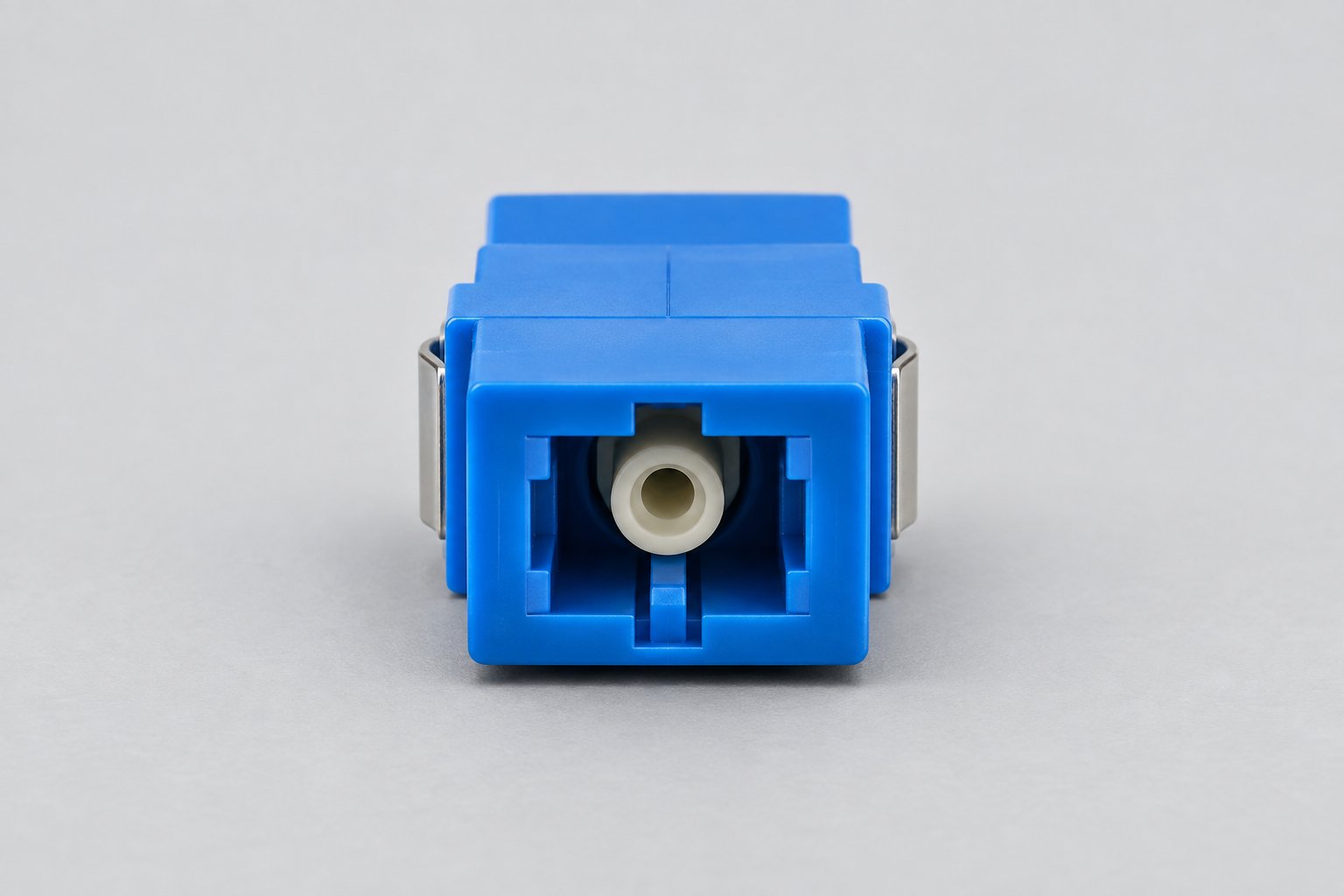
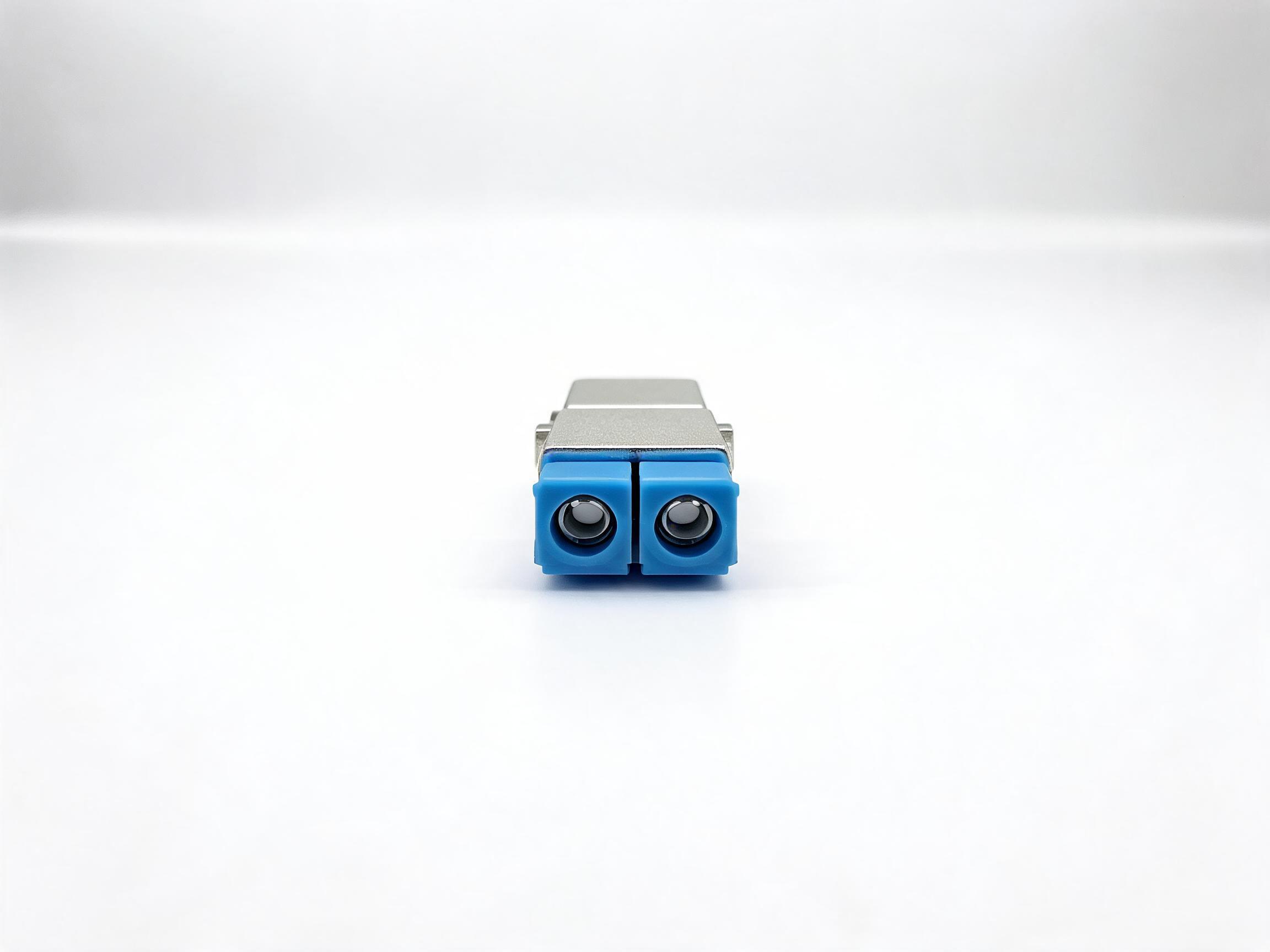
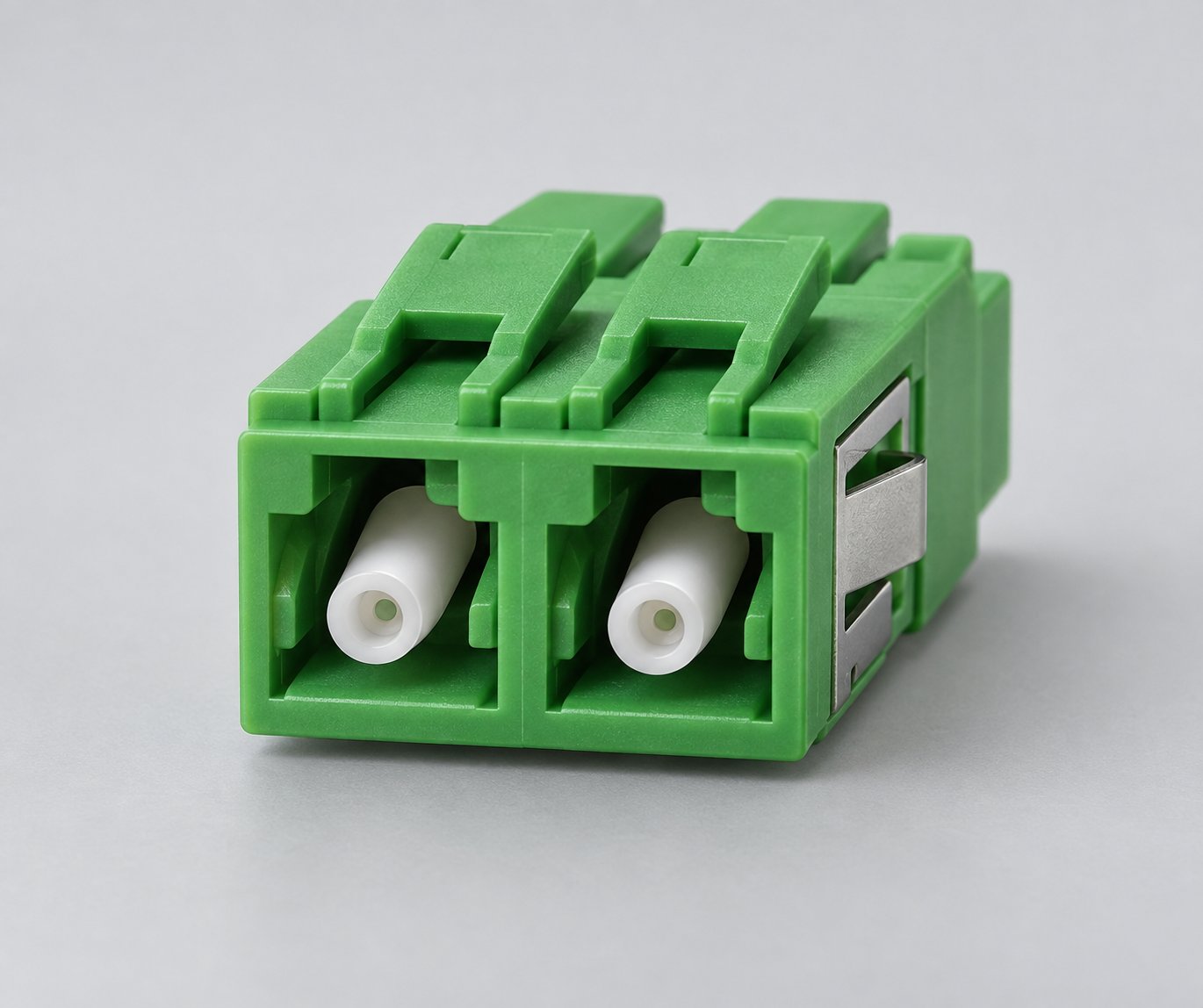
LC/APC Duplex Fiber Optic Adapter
LC/APC duplex fiber optic adapter for high-density data center and access network connections with high return loss.
LC/APC
Key Features
- APC 8-degree angled end face
- High return loss
- Compact LC duplex design
- High-density panel ready
Specifications
| Connector type | LC/APC |
|---|---|
| Mode | Single mode |
| Type | Duplex |
| Flange | Standard or custom |
| Application | Data centers, high-density panels, FTTH |
Product Details
Why the LC/APC adapter is the right choice for single-mode duplex links
Every fiber connection has a mechanical meeting point, and in a single-mode duplex link that point is the adapter. The LC/APC adapter holds two ferrule tips in alignment so light passes from one fiber into the next with minimal loss. When the alignment sleeve drifts, the ferrule bore is rough, or the housing flexes after many plug cycles, the link develops intermittent loss that only shows up under certain conditions and is difficult to isolate.
The real cost of that instability is not the adapter itself. It is the technician hours spent chasing a fault that comes and goes, the downtime while a rack is pulled offline, and the re-termination work that follows. A duplex fiber optic adapter that keeps both fibers aligned and holds its geometry across repeated mating cycles removes one variable from that troubleshooting loop.
What this duplex fiber optic adapter provides
This adapter uses the LC duplex form factor with an APC 8-degree angled end face. The angled polish is what gives the connection its high return loss: instead of reflecting light straight back into the source, the angled face directs the reflected component away from the core. That behavior matters most in single-mode systems, where reflected power can disturb the transmitter and degrade signal quality.
The duplex body carries two fibers in one housing, so the transmit and receive paths stay paired in a single panel port. In a high-density panel, that saves one port position per link compared with two simplex adapters, and it keeps the fiber pair physically together so the two legs are less likely to be crossed during installation.
The flange comes in standard or custom form. Standard flanges drop into common panel cutouts; a custom flange is specified when the panel opening, mounting hole pattern, or color needs to match an existing deployment. Confirm the panel cutout and mounting pattern with your panel supplier before ordering so the adapter seats correctly on the first pass.
Where the LC/APC adapter fits in the network
This adapter is intended for single-mode duplex connections in data centers, high-density panels, and FTTH access networks. In a data center, it appears in the patching field where LC duplex jumpers terminate into panels and equipment. In FTTH, it appears at the distribution point where the drop cable connects to the access network. In both places the requirement is the same: a stable, repeatable mating point that does not drift over time.
Because the end face is APC, the LC/APC adapter must be paired with APC connectors. An APC adapter and a UPC connector are not interchangeable; the angled face and the flat face do not mate correctly, and forcing them together risks damage to the ferrule. If your deployment uses UPC connectors, select the UPC version of this adapter instead. Confirm the polish type of the connectors already installed before you order.
How to choose the right version
Three decisions determine which version fits your deployment. First, confirm the polish type: this adapter is APC, so it pairs with APC connectors only. Second, confirm the mode: this is a single-mode adapter, so it is used with single-mode fiber and connectors. Third, confirm the flange: standard flanges suit common panels, while a custom flange is needed when the cutout or mounting pattern differs. State these three points in your inquiry so the correct version is quoted.
For a duplex link, the duplex body keeps both fibers in one port. If your panel is laid out for simplex ports and you need to terminate a duplex link, you may need two simplex adapters instead; confirm the panel layout before deciding.
Installation and maintenance notes
Keep the dust caps on the adapter ports until the connectors are ready to be inserted. A clean ferrule face is the single largest factor in stable loss; a speck of dust on the end face can raise loss far more than the adapter geometry itself. When you insert a connector, push it straight in and seat it fully; a partially seated connector reads as a high-loss or intermittent connection.
Before you plug in a connector, inspect the ferrule end face with a scope if one is available. If the face is contaminated, clean it with the correct fiber cleaning tool before insertion. Do not reuse a contaminated connector in a clean adapter port, because the contamination transfers to the alignment sleeve and affects the next connection.
Quality and manufacturing context
This adapter is produced by Nexora, a fiber optic manufacturer operating a 16,000 m² facility with 12 production lines and more than 180 employees. The company runs 30+ QC staff and supports 500+ OEM/ODM programs, with an annual capacity of 2.8 million units and delivery to more than 50 countries. These are company-level facts about the manufacturing environment; they describe the production and quality-control capacity behind the product line, not a product-specific certification.
Procurement FAQ
- Is this LC/APC adapter compatible with UPC connectors? No. The APC angled end face mates with APC connectors only. Select the UPC version for UPC connectors.
- Is it single mode or multimode? This is a single-mode adapter. Use it with single-mode fiber and connectors.
- Is it simplex or duplex? This is a duplex adapter; it carries two fibers in one housing.
- Can the flange be customized? Yes, the flange is available in standard or custom form. Confirm the panel cutout and mounting pattern in your inquiry.
- What should I include in my inquiry? State the polish type (APC), mode (single mode), duplex configuration, flange requirement, and quantity so the correct version is quoted.
Request product details
Tell us the polish type, mode, duplex configuration, flange requirement, and quantity you need. Our team will confirm the correct version and provide the details you need for your deployment.
Request product details